 Merken
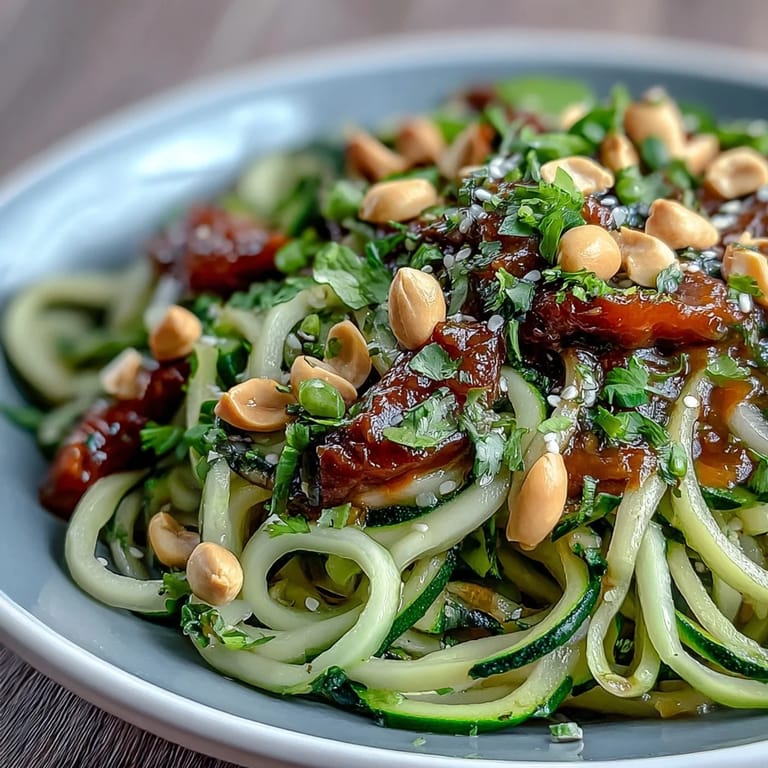
 Last summer, my neighbor brought over a spiralizer and challenged me to stop ordering takeout for a week. I was skeptical until I made this zucchini noodle stir-fry that first Tuesday evening, and the kitchen filled with the most incredible aroma of toasted sesame and peanut. Something about the way the noodles caught that tangy sauce made me realize healthy eating didn't have to feel like sacrifice. Now it's the dish I reach for when I want something that tastes indulgent but leaves me feeling light and energized.
I made this for my best friend during a busy week when she was too overwhelmed to cook, and watching her face light up when she tasted it reminded me that simple food shared with someone you care about becomes something special. She's made it three times since, and now it's become our go-to meal when we both need something nourishing without the fuss.
Ingredients
- Zucchinis, spiralized: The delicate noodles cook in seconds, so avoid overcooking or they'll turn into mush; I learned this the hard way during my first attempt.
- Red bell pepper: Its natural sweetness balances the savory peanut sauce beautifully, and the thin slices stay crisp through cooking.
- Carrot: Adds a subtle crunch and visual pops of color that make the dish feel restaurant-quality.
- Snap peas: These stay wonderfully crunchy even after cooking and add a fresh, slightly sweet note.
- Green onions: Sliced thin, they provide brightness and a mild onion bite that pulls all the flavors together.
- Natural peanut butter: The creamy base of the sauce; I prefer the kind where oil sits on top because it means no hidden additives.
- Soy sauce or tamari: Tamari is your friend if you're cooking gluten-free, and it brings umami depth that makes everything taste richer.
- Rice vinegar: The tanginess cuts through the richness of the peanut butter and keeps the sauce balanced.
- Lime juice: Fresh lime is crucial here; bottled juice just doesn't capture the brightness you need.
- Maple syrup or honey: A touch of sweetness rounds out all the sharp and savory notes without overpowering them.
- Sesame oil: Use toasted, not regular, because the flavor is what makes you taste like you know what you're doing.
- Garlic and ginger: Fresh minced garlic and grated ginger elevate this from simple to sophisticated in seconds.
- Red pepper flakes: Optional, but if you like heat, a light sprinkle makes your whole body wake up in the best way.
Tired of Takeout? 🥡
Get 10 meals you can make faster than delivery arrives. Seriously.
One email. No spam. Unsubscribe anytime.
Instructions
- Prep your vegetables like you're setting up a stage:
- Spiralize your zucchini and carrot so they're ready to go, then slice your bell pepper into thin strips and halve your snap peas. Having everything prepped before you heat the pan is non-negotiable because once the cooking starts, you'll have no time.
- Whisk the sauce into silky perfection:
- In a bowl, combine peanut butter, soy sauce, rice vinegar, lime juice, maple syrup, sesame oil, garlic, and ginger. Start with just 2 tablespoons of warm water and whisk until smooth, then add more water one tablespoon at a time until you have a sauce that's pourable but still coats a spoon. This is the moment everything comes together.
- Heat your pan until it's ready to move fast:
- Get your skillet or wok over medium-high heat and let it warm for about a minute. A light drizzle of sesame oil is optional but transforms the whole flavor profile if you're in the mood.
- Cook the hardy vegetables first:
- Add your bell pepper, carrot, and snap peas to the hot pan and let them sizzle for 2 to 3 minutes, stirring occasionally so they cook evenly. You want them tender but still with a satisfying crunch when you bite into them.
- Add the zucchini noodles with care:
- Gently add your spiralized zucchini and toss everything together for 2 to 3 minutes just until heated through. This is where patience matters because overcooked zucchini noodles become soggy and sad, and we don't want that.
- Coat everything in that magical sauce:
- Pour your peanut sauce over the vegetables and toss gently for another 1 to 2 minutes until every noodle is coated and the pan smells like heaven. The sauce should glisten and embrace every strand.
- Serve it immediately while it's hot and perfect:
- Transfer to bowls or plates right away and top with chopped peanuts, green onions, and cilantro. Eat it hot because this is one of those dishes that's best experienced fresh off the heat.
 Merken
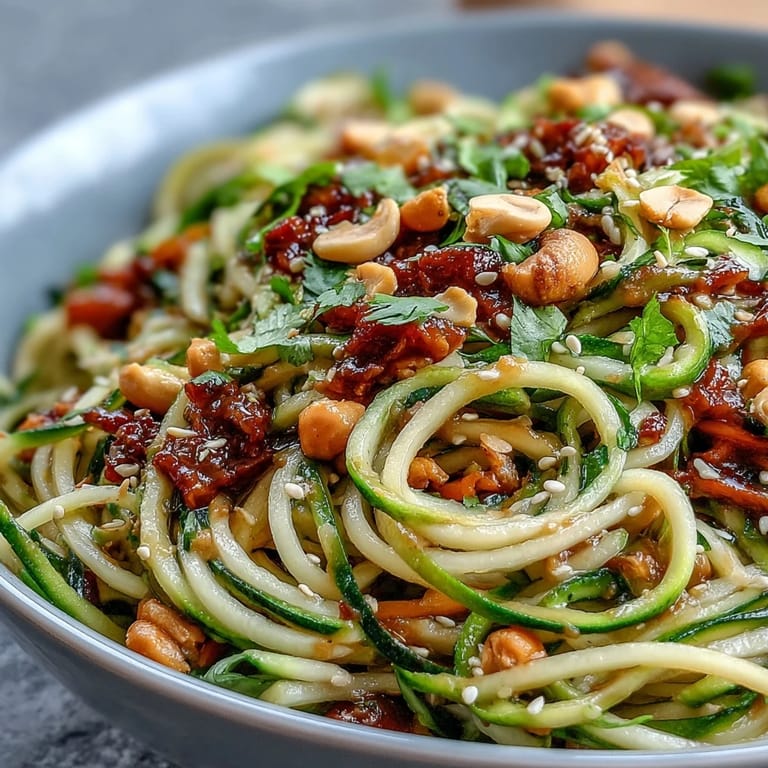
 I served this to my family on a humid evening in August when nobody wanted anything heavy, and watching my dad go back for seconds made me realize that healthy food doesn't have to apologize for itself. There was something honest about the meal that started real conversations at the table instead of everyone just scrolling through their phones.
How to Make This Taste Even Better
The secret I've discovered is toasting your peanuts fresh if you have time, or at least choosing the best quality roasted peanuts you can find because they're what people remember tasting when they think about this dish. I've also learned that letting your sauce ingredients sit together for just a minute before mixing helps the flavors meld in a way that makes the whole thing taste more intentional.
Protein Additions That Actually Work
If you want to make this more of a complete meal, grilled tofu adds a subtle earthiness that doesn't fight with the peanut sauce, while shrimp brings a little sweetness that plays beautifully with the ginger. Chicken works too, but I've found that marinating it in a bit of sesame oil and soy sauce before cooking keeps it tender enough that it doesn't overpower the delicate noodles.
Variations and Swaps You Can Confidently Make
Once you understand how this sauce works, you can adapt it endlessly to match what you have or what you're craving. I've used almond butter when I was out of peanut butter and honestly preferred the subtler flavor, and I've swapped in whatever crunchy vegetables were calling to me from the produce drawer without changing how good it turned out.
- Try cashew butter or almond butter if you want a slightly different depth, or sunflower seed butter if peanuts aren't in the picture.
- Add mushrooms, broccoli, or green beans to the pan without overthinking it because vegetables are flexible and forgiving.
- Use coconut aminos instead of soy sauce if you're avoiding soy, and nobody will notice the difference in the final taste.
 Merken
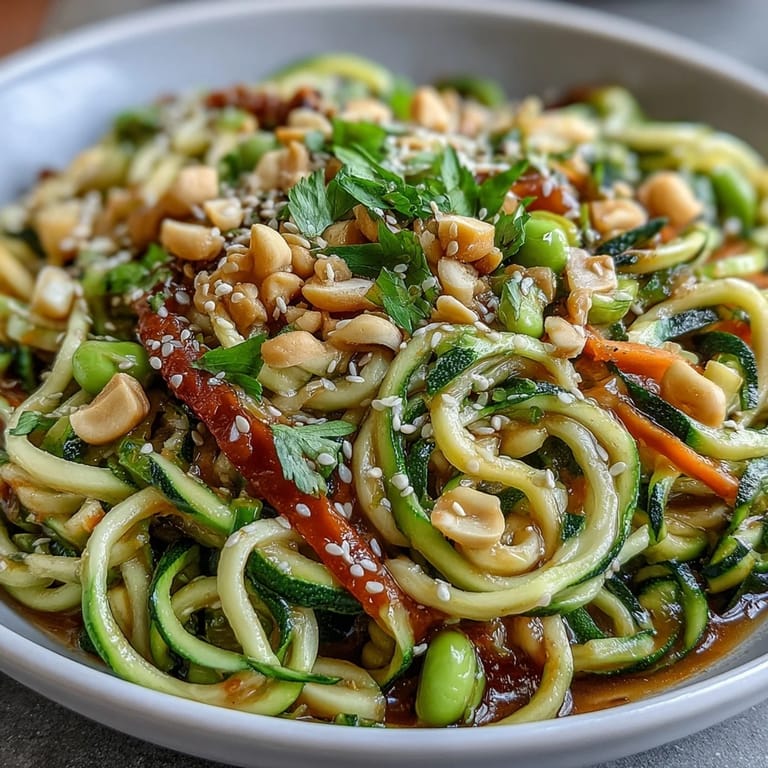
 This recipe has become my proof that eating well doesn't mean suffering through bland meals or spending hours in the kitchen. It's the kind of food that nourishes both your body and your mood, and honestly, that's all any of us are really looking for.
Fragen und Antworten zum Rezept
- → Wie kann ich die Nudelpfanne glutenfrei zubereiten?
Verwenden Sie Tamari anstelle von herkömmlicher Sojasauce, um die Sauce glutenfrei zu halten. Die Zucchininudeln und frischen Zutaten sind von Natur aus glutenfrei.
- → Was eignet sich als proteinreiche Ergänzung?
Gegrillter Tofu, Hühnchen oder Garnelen passen hervorragend und ergänzen die Mahlzeit mit zusätzlichem Eiweiß.
- → Wie verhindere ich, dass die Zucchininudeln matschig werden?
Dünsten Sie die Nudeln nur kurz und vermeiden Sie Überkochen, damit sie bissfest bleiben und nicht zu viel Wasser abgeben.
- → Kann ich die Erdnusssauce variieren?
Ja, Sie können Mandel- oder Cashewmus als Alternative verwenden oder die Schärfe mit roten Pfefferflocken anpassen.
- → Welche Geräte sind zur Zubereitung empfehlenswert?
Ein Spiralschneider für das Gemüse, eine große Pfanne oder ein Wok zum Braten sowie ein Schneidebrett und ein Schneidemesser sind ideal.